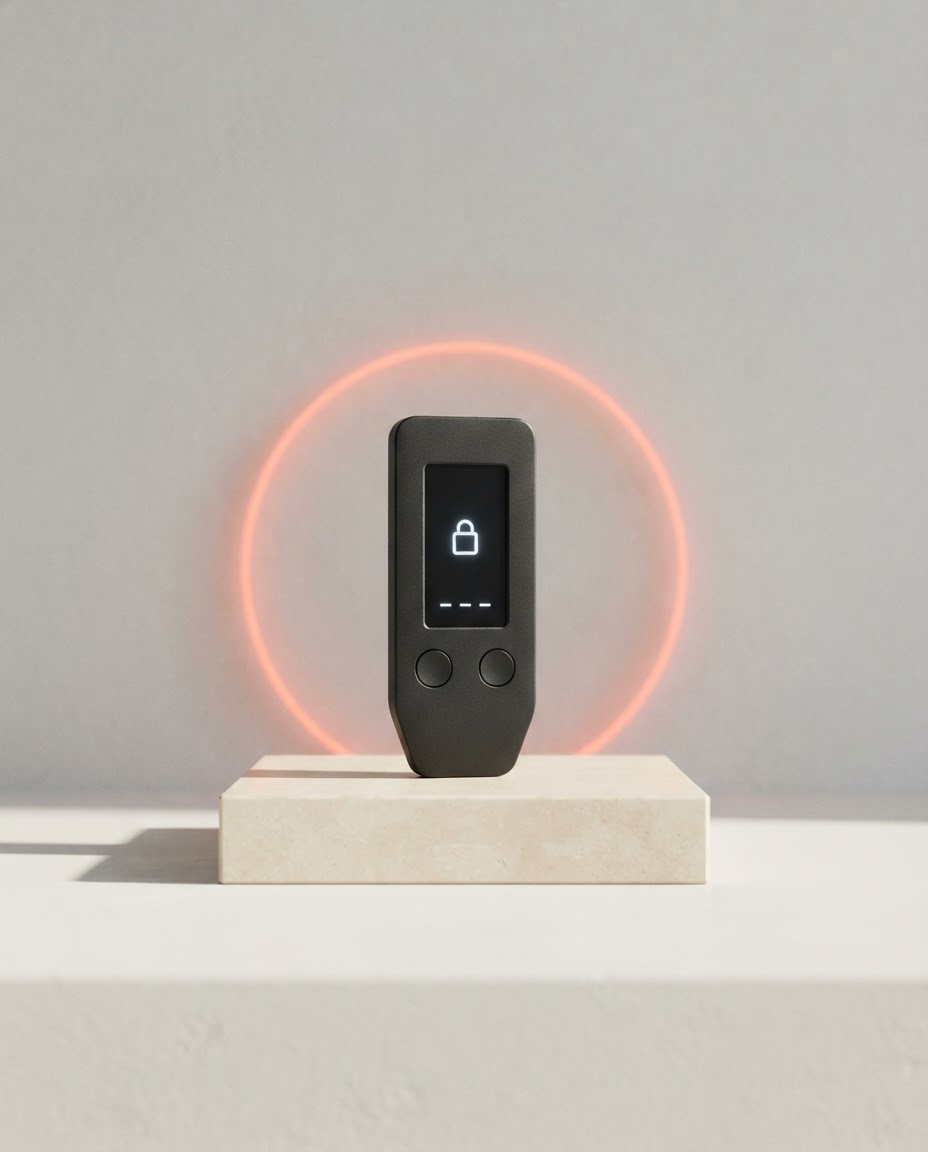
Trezor Login: a thoughtful start to hardware wallet management
A safer first session is less about speed and more about knowing what belongs where.
“Trezor Login” is often used to describe opening a wallet and getting oriented with a hardware device. The important distinction is that your device is not a website account: it protects the private keys that authorize activity. A companion interface can help you view supported assets, balances, and transaction history, while the device gives you a separate place to review and approve actions.
Begin by locating setup guidance through a trusted, official source. Connect your device only when you are ready to follow its on-screen instructions, and take time to understand the recovery process. Your recovery words should remain private and offline. No legitimate support representative needs them, and entering them into an unexpected website or sharing them in a message can put your assets at risk.
When managing a portfolio, treat displayed balances as useful snapshots and verify important details independently. Before confirming a transfer, carefully compare the destination and transaction information shown on the hardware wallet itself. If a prompt, address, or request feels unfamiliar, pause rather than approve it. Good device hygiene also means keeping software current through verified channels, protecting your physical device, and planning secure offline storage for recovery information.
Self-custody brings control, but it also brings responsibility. A little patience at setup—and a habit of checking each action—can make everyday wallet management much more confident.